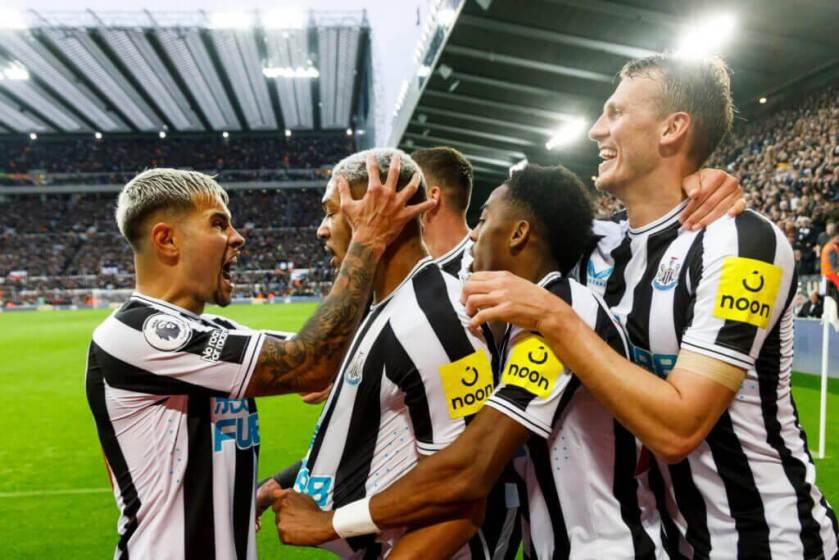
Last season, Newcastle were subjects of a big-money takeover by owners of a magnitude of wealth unprecedented in football, far eclipsing that of the 2nd-richest owner in the Premier League. Newcastle’s newly-acquired wealth is coupled with the corresponding expectation that in a few seasons’ time, they would be mentioned in the same breath as the current Premier League Big Six.
However, Newcastle have yet to spend as much in the market as some observers expected them to.
But as the Premier League comes to a mid-season hiatus going into the World Cup, Newcastle are 3rd in the table with the 2nd highest goal difference, have the best form and defence in the league, and are very much in contention for Champions League qualification.
Their surge has come much earlier than expected, even without splashing that much cash on transfers or hiring a big-name manager.
Since the change in club ownership, Newcastle’s only notable changes in lineup are a goalkeeper (Pope) and a centre-back (Botman), plus some competition in the striker department (Wood & Isak). They are good, but not by themselves game-changing additions. Botman and Pope are not playing for their country in the World Cup, Isak has hardly played for Newcastle (injury) while Wood is a 3rd-choice striker.
Hence Newcastle have hardly had a makeover, but their results on the pitch have been completely transformed. Furthermore, Newcastle’s improvement has begun since the turn of the calendar year, preceding the signings of Pope and Botman.
Why explains Newcastle’s immense level of improvement in such a short time? My conjecture is that it has to do with the club management’s communication to the squad of players.
I think it goes something like this:
“As you know, guys, we’re really, really, filthy-rich now. This club will undergo a rebuild and we will undoubtedly spend the money to make a charge to become on the same level as the Big 6 in a few years. We have the finances to buy and give big contracts to some of the biggest names in the world. If you’re consequently deemed surplus to requirements, we have no qualms about accepting offers from clubs like Besiktas. Obviously, that will be detrimental to your careers.
The Management
But every one of you here has given part of your career to the club and worked hard for the team, and for that, we will give you a chance before we splash the cash. If you play well, we may retain you as part of our team, and possibly even reward you with a big contract.
It’s up to you to show us what you can do.”
Who wouldn’t buck up after hearing this? No wonder Almiron’s so good!
Of course, the club management doesn’t put it anywhere near as bluntly as how I wrote it, but that’s roughly the message I think they want to send.
Other than an appreciation of incentives, Newcastle’s approach to the early days of their vast riches is probably also informed by poor precedents set by other clubs in the Premier League, namely Everton and West Ham. These 2 clubs have spent big in past years recently, the former even hiring Carlo Ancelotti. The clubs’ investments did not pay off. The transfers were made with over-eagerness to achieve results and the teams lacked the stability that ensures sustainable success.
Being one of the most competitive leagues in world football, games in the Premier League are often decided by fine margins. Those extra few percentages from just an extra bit of drive are often the difference between wins or losses, which cumulatively contribute to an impressive or a dreadful league position.
Another plus of attaining meritable results is that the club will be able to attract better talent rather than older, less motivated players just looking to get their last big-money contract, paying dividends for the club’s future.
Newcastle have punched above their weight. And this is why it is so important how an organisation sets up incentives for its members.
It remains to be seen if Newcastle can maintain their high levels of performance for the remaining 23 games of the season. Their campaign will be abetted by a possibly productive January transfer window next month.
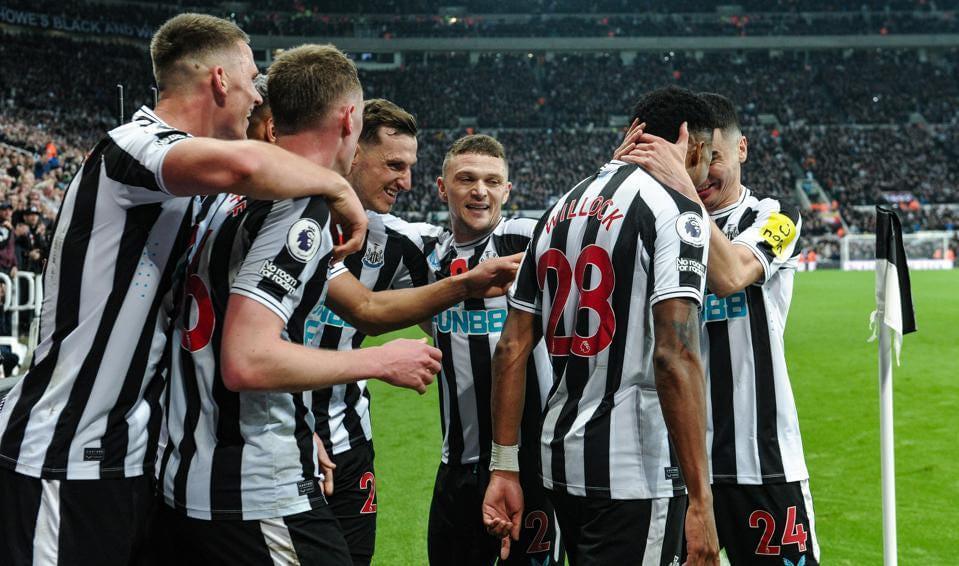
On a personal note, as a Liverpool fan, I hope current owners Fenway Sports Group (the most parsimonious owners in the top 6) get completely bought out by a ludicrously wealthy oil-backed consortium whose primary consideration is winning rather than their bottom line. The influence of money is already so entrenched in football—I might as well be on the winning side for the sake of my personal contentment.

 BLOGOPUS