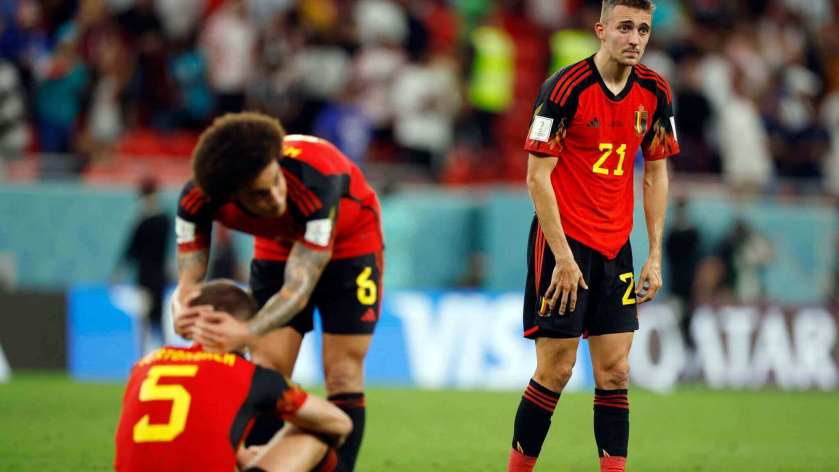
CRO 0-0 BEL
This meeting between the 2nd and 3rd-place finishers of the 2018 World Cup was a crucial one. It was a must-win game for Belgium while a draw would suffice for Croatia.
I only watched the 2nd half as I was sleeping.
Croatia progressed well with the ball and Modric exuded his world-class abilities. Sosa put in multiple crosses but he was wasteful. Croatia decided to hold for a draw and dropped deeper into defence in the final quarter of an hour.
Belgium have a good lineup on paper, but the players just don’t seem to fit in a system when put together in a 3-4-3. Their opponents seem to break lines, overrun the midfield and exploit spaces on the flanks more easily than they should be.
Belgium head coach Martinez made changes to the team, with Mertens and Trossard starting and the lacklustre Hazard and Batshuayi left on the bench. De Bruyne played in a deeper role where he might be more influential.
Belgium were not that poor and could have won the game. They created over 3 expected goals (xG). Lukaku had 4 big chances, golden opportunities for Belgium’s golden generation to have one last shot at the World Cup, but he fluffed his lines miserably.
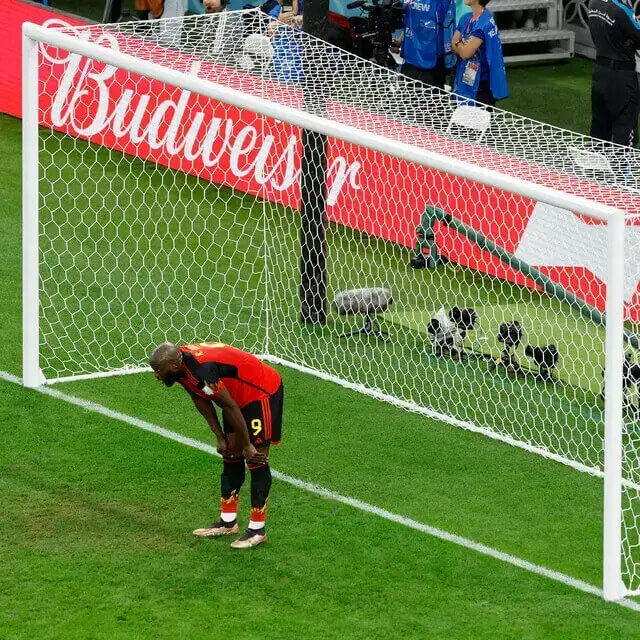
Belgium switched from a flat midfield to a diamond midfield to chase that one goal they so desperately needed. Doku was brought on and he was lively.
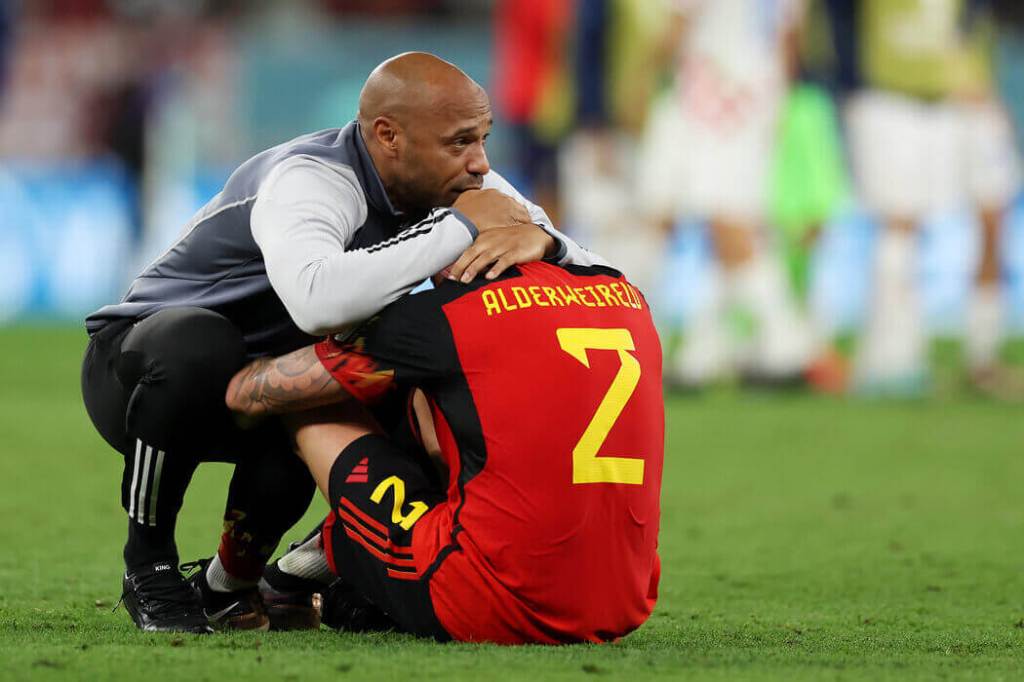
But it was not enough for the prevailing FIFA World No. 2s. Their golden generation of De Bruyne, Hazard, Lukaku, Alderweireld, Vertonghen, Meunier, Mertens and Carrasco has come to an end, marked by the departure of manager Roberto Martinez.
Belgium crash out of the World Cup having created more than 7 xG but only scoring one goal. The large drop in the abilities of Lukaku and Hazard, talismanic in their previous campaign, was too big a hole for Belgium’s sputtering attack to fill.
Group E
I didn’t watch the last round of the Group E matches as they were at 3am in my part of the world. With Spain being so strong and Costa Rica so weak, I thought Germany would surely go through. After Japan’s miserable defeat to Costa Rica, Germany are odds-on favourites to qualify and surely Japan don’t have what it takes to beat Spain.
But sensational events transpired. Japan top the group ahead of heavyweights Spain and Germany, despite enduring d a depressing loss to minnows Costa Rica.
Japan won against Spain in very similar fashion to that against Germany. Spain scored in the first half, while Japan scored a quick-fire double in the second. They left their best players like Mitoma, Asano and Tomiyasu for the second half and their substitutes were directly involved in the goals. However, Japan made a bold tactical change by switching to a 3-4-3. Spain of course dominated proceedings and Japan win with the lowest-ever recorded possession in World Cup history.
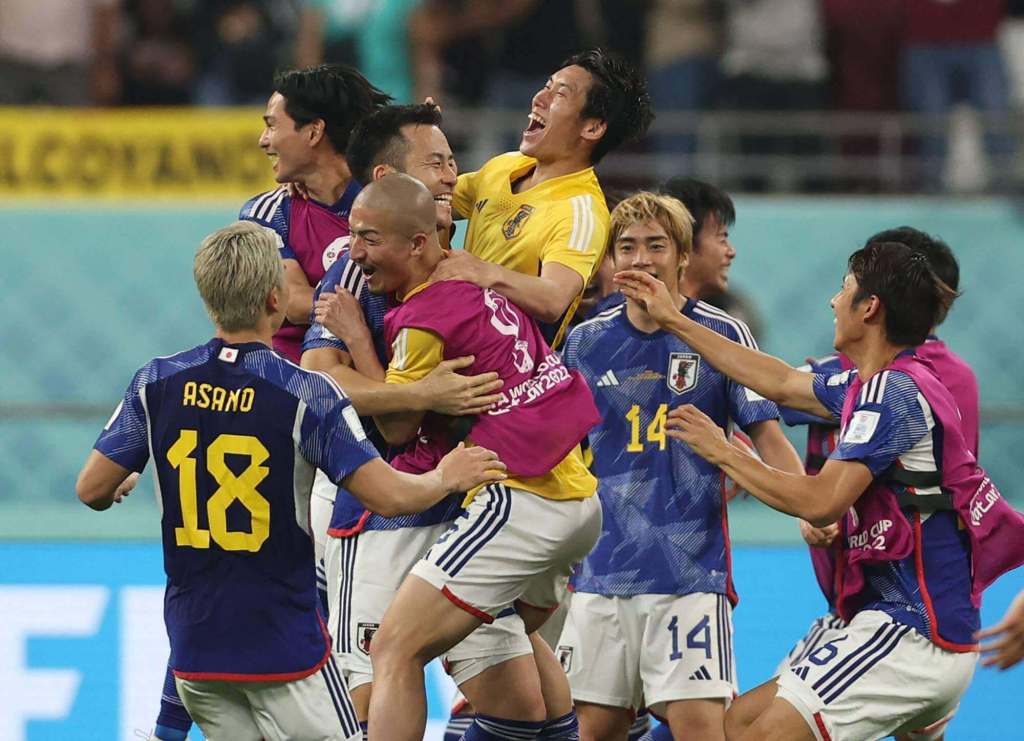
Japan profited from some luck. But to some extent they created their own fortune through persistence and doggedness.
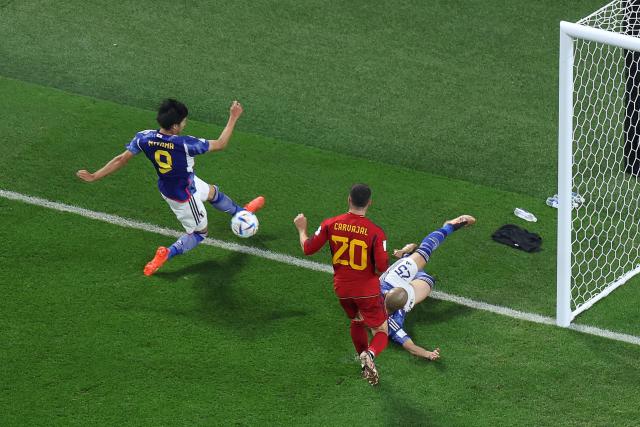
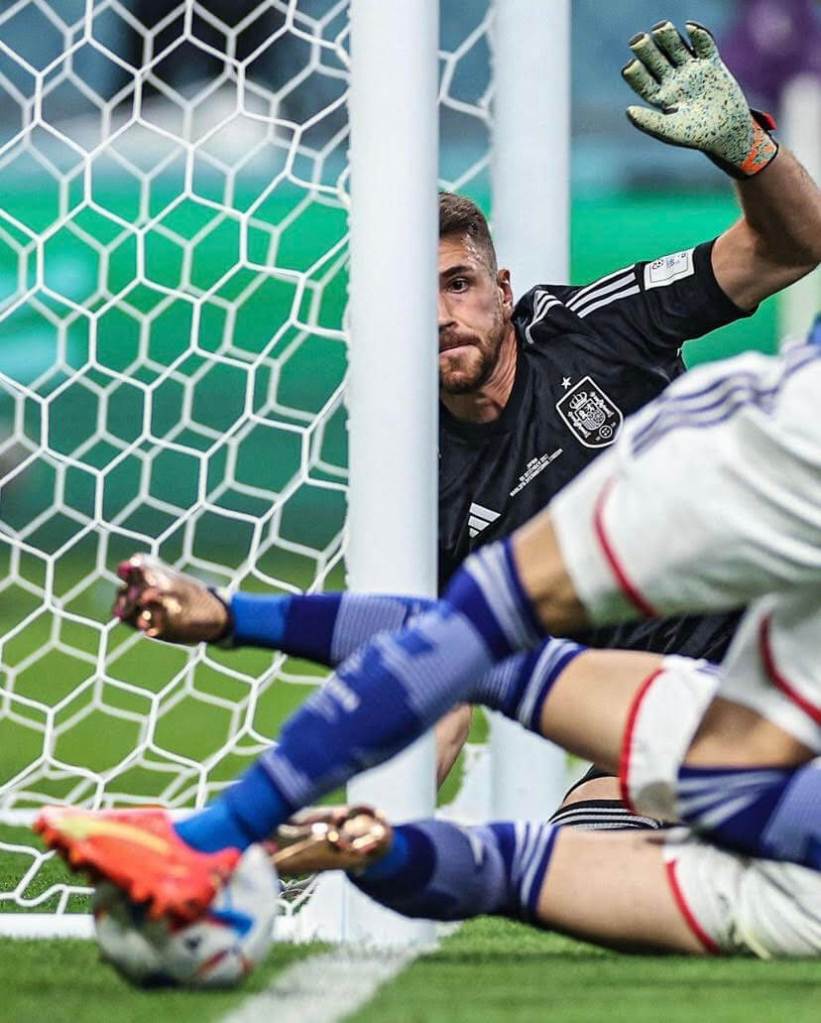
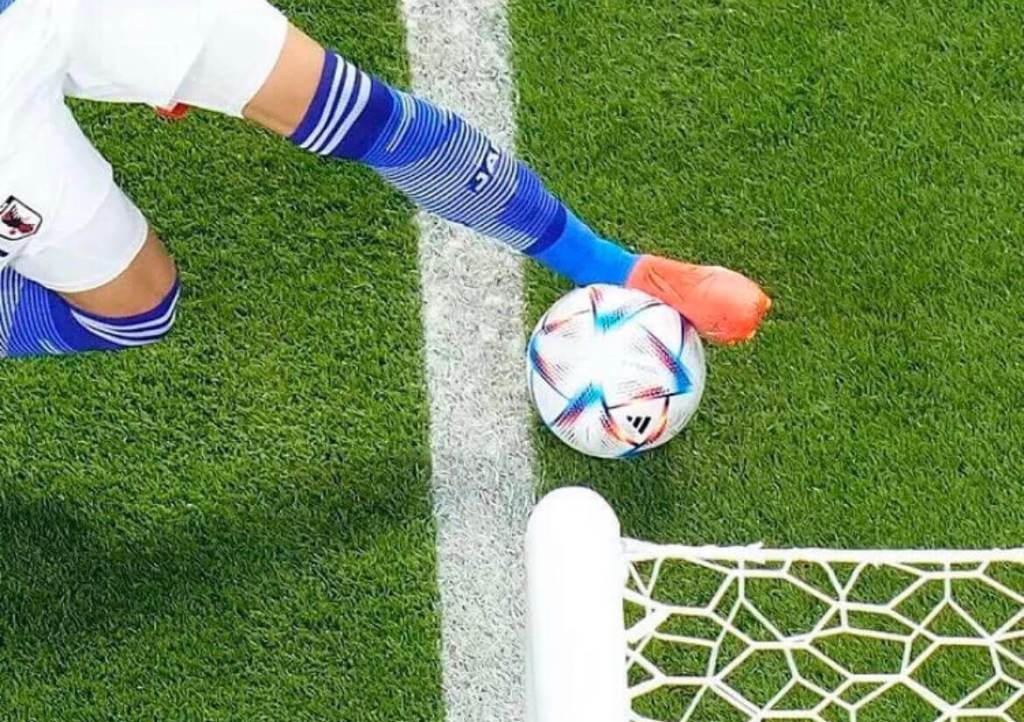
[Update on 03.12.22: FIFA have released video evidence that the ball was in play amid controversy.]
Simon and Rodri could have prevented the Japanese goals. They were not vigilant enough.
Japan’s defence of their slender lead was obviously helped by Spain’s lack of incentive to win or draw, as they are perfectly contented with settling for 2nd place and a matchup against Morocco instead of Croatia.
Germany started Sane for the first time this tournament. Kimmich shifted to right-back.
But they are knocked out in the group stages for the 2nd World Cup running despite creating 10 xG. The shock defeat to Japan in the first round proved too big a blow.
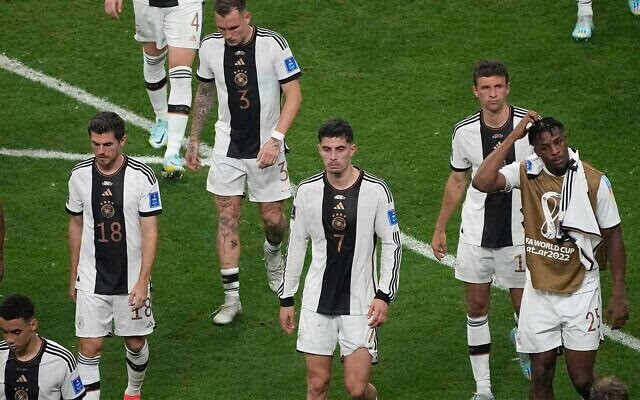
It’s always a pleasure as a neutral fan to see a small footballing nation get the better of a Goliath, rather than slump to a routine loss.
Additional Thoughts
A clear pattern has emerged from Japan’s games—they have a formulaic approach to games where they try to maintain parity in the first half, before bringing on impact substitutes to provide just the right sparks in attack.
This worked against powerhouses Spain and Germany but failed against a much weaker team Costa Rica. The Japanese tactical plan seems to have more efficacy against teams which are stronger. Nevertheless, Japan’s manager Moriyasu remained adamant that things were going to plan despite their loss to Costa Rica.
Japan’s opponent in the RO16 is Croatia, whose formidability as a football team is between that of Spain/Germany and Costa Rica. Thus, it is worth questioning if Japan’s tactical formula is viable against Croatia.
How, if he even does, will Moriyasu tweak his team’s tactics against a different profile of opposition in Croatia?
My prediction is that Moriyasu will remain faithful to the same tactical strategy.

 BLOGOPUS